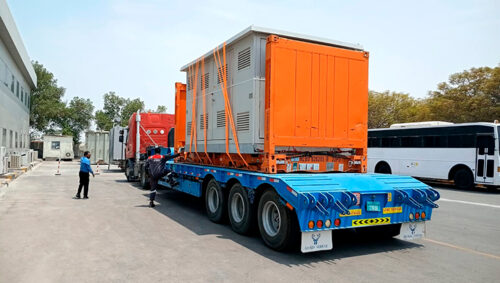
Navigators Shipping and Logistica, member to the Worldwide Project Consortium (WWPC) for Bahrain, successfully coordinated a multimodal movement of a heavy Transformer Enclosure unit from Abu Dhabi to Europe, overcoming an unexpected change in the planned Port of Loading while ensuring the cargo continued its journey without disruption.
The shipment comprised Transformer Enclosure with accessories, around 40 CBM. Given the nature and dimensions of the cargo, specialised equipment was required, with the main unit transported on one 20-foot Flat Rack for Out-of-Gauge (OOG) cargo, accompanied by one 20-foot standard container for the accessories.
The movement was initially planned for transportation by road from Abu Dhabi to Sohar Port, with Sohar designated as the Port of Loading for the onward sea transportation to Europe.
However, during the planning and execution stage, a change in the operational requirements for handling in-transit OOG cargo meant that the originally planned Port of Loading could no longer be utilised for the shipment.
With the nature of the cargo requiring specialised handling and OOG-compatible port facilities, an alternative solution had to be established promptly.
The project experts from Navigators responded by revising the transportation plan and shifting the Port of Loading to Jeddah. The cargo was subsequently moved by road from Abu Dhabi to Jeddah, followed by sea transportation from Jeddah towards its European destination.
The change required close coordination of the road and ocean legs, together with the necessary arrangements for OOG handling, specialised equipment, documentation and port operations. Despite the unexpected change, the shipment continued to progress through the revised routing, demonstrating the importance of operational flexibility and effective contingency management when handling complex cargo movements.
“The movement highlights the challenges that can arise in project logistics, where port restrictions, equipment requirements and cargo characteristics can directly influence the transportation plan. For us, the ability to respond to such situations is an essential part of delivering complex cargo solutions. By assessing the situation quickly, identifying a viable alternative and coordinating the revised movement, the team ensured that the cargo remained on course towards its destination”, mentioned Team Leader, Industrial Projects division, Navigators UAE.
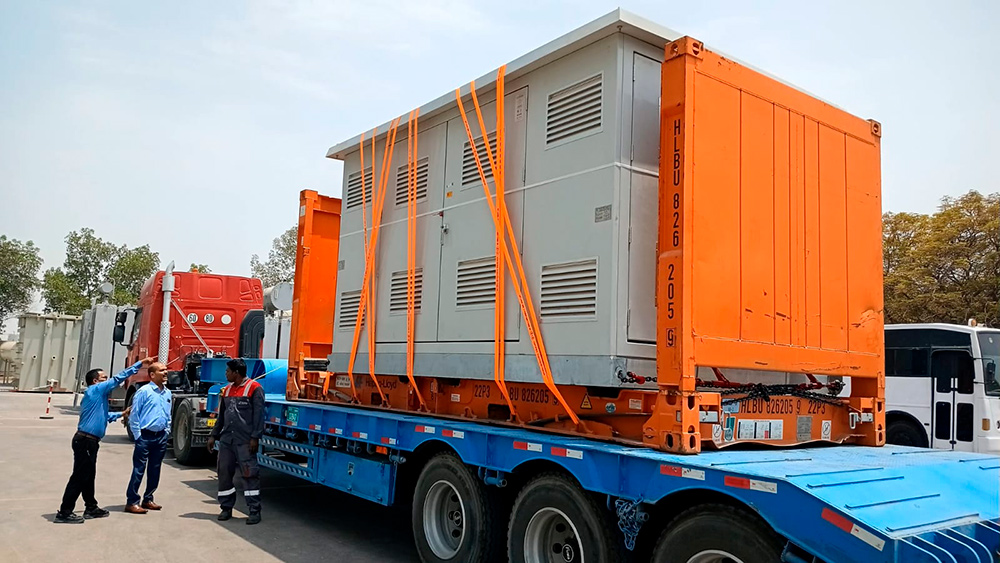
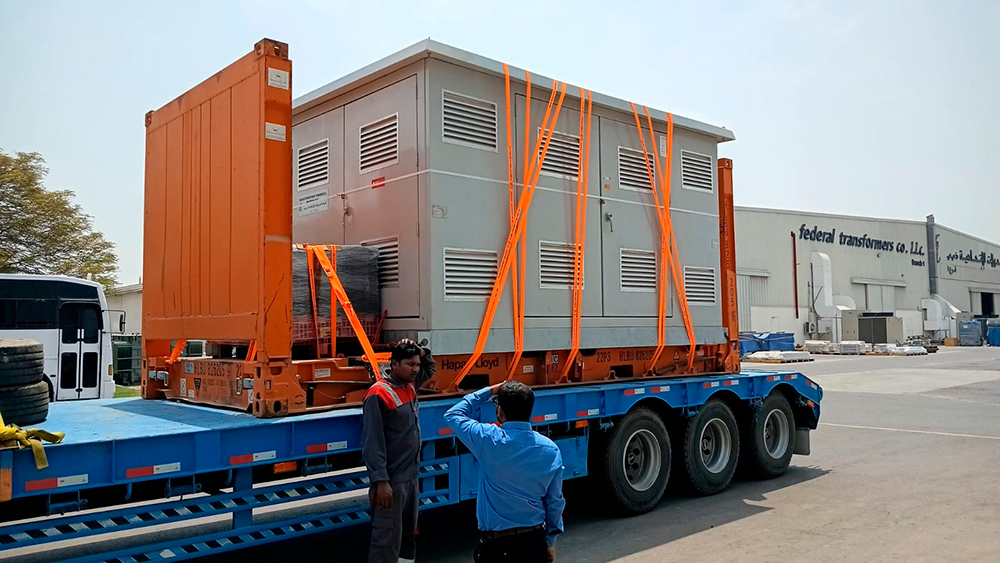
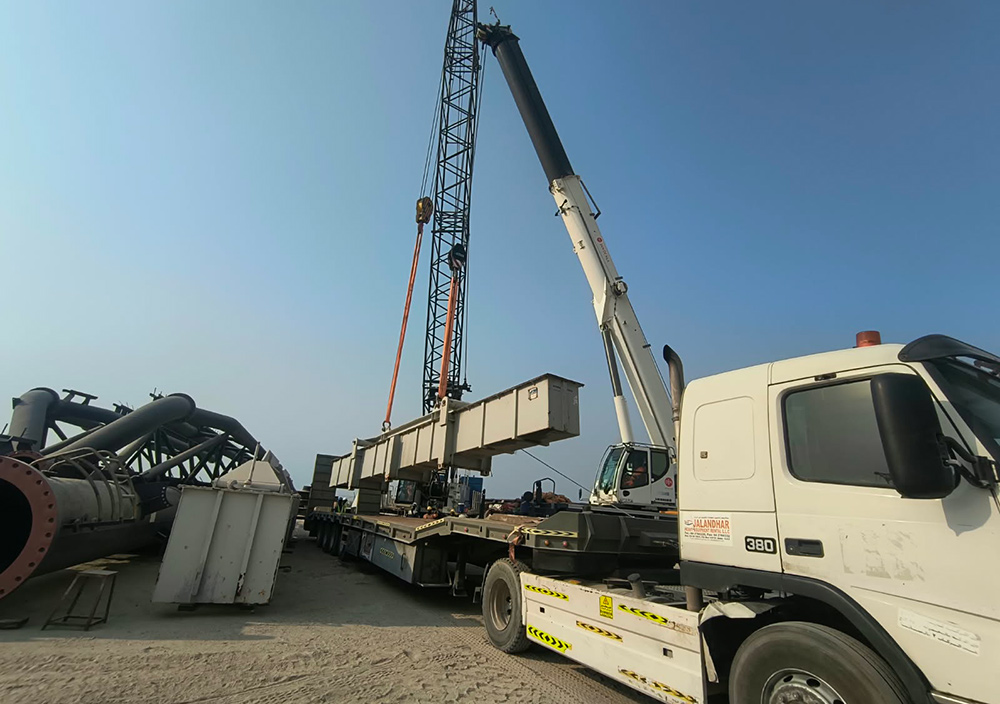
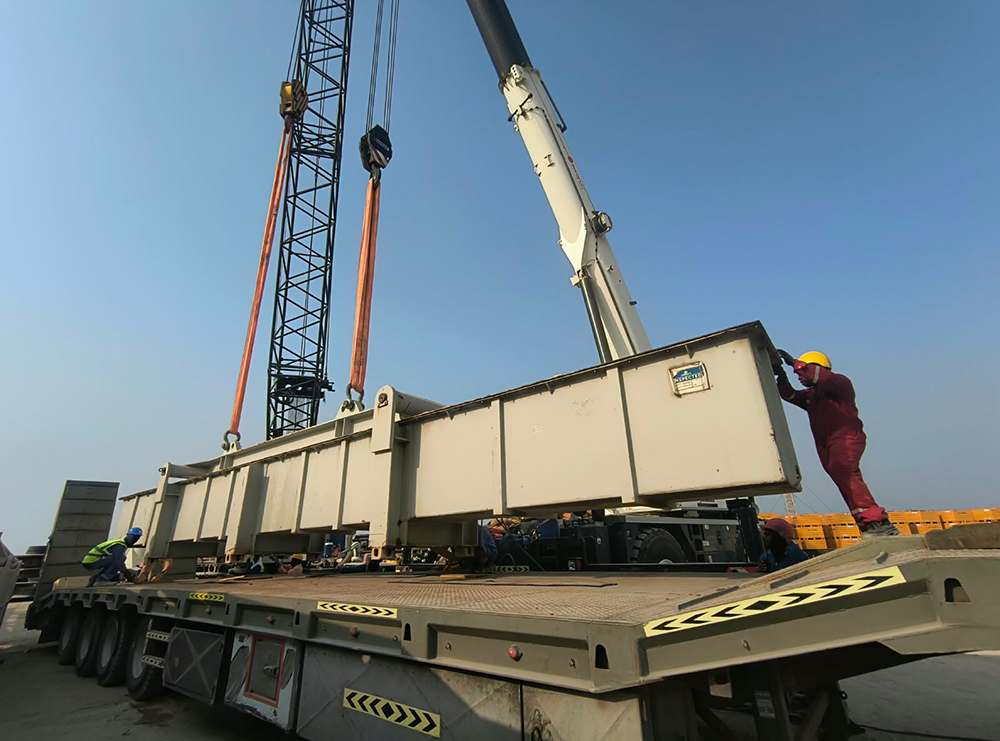
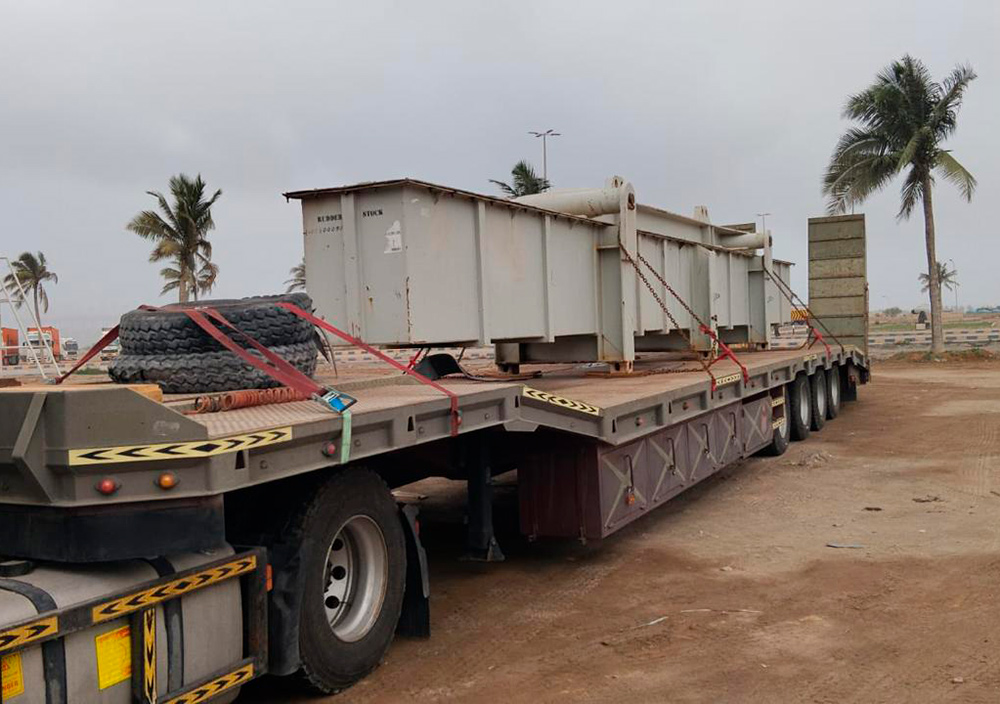
In another remarkable movement Navigators overcame a last-minute port change to execute a complex ship spare movement to the Far East of a 54-ton, approximately 80 CBM ship spare unit from Oman to the Far East, overcoming a significant last-minute change in the planned port of loading and additional operational requirements.
The shipment, comprising a single oversized unit, was initially planned for transportation by road from Jebel Ali to Sohar Port, with Sohar designated as the Port of Loading (POL). However, shortly before the planned movement, evolving operational requirements at the port necessitated a revision of the original logistics plan.
With the original routing no longer feasible, Salalah was identified as the alternative Port of Loading, adding approximately 900 km of road transportation to the movement and creating additional operational and logistical challenges.
Navigators swiftly adapted the transportation plan and coordinated the necessary requirements to route the cargo to Salalah. This included securing special approvals and road permits required for the extended road movement. In parallel, the shipping line conducted a pre-movement survey to assess the cargo and operational requirements before confirming the booking.
The cargo was subsequently transported by road to Salalah, where it was prepared for onward ocean transportation to the Far East on a container vessel on a breakbulk basis.
For the ocean leg, the shipping line arranged seven 40-foot flat racks to facilitate the required onboard lashing and securing of the unit, ensuring that the heavy and oversized ship spare was appropriately secured for the international voyage.
Despite the last-minute change in the Port of Loading and the additional 900 km road journey, Navigators successfully managed the movement through careful planning, close coordination and proactive operational execution.


 Youtube channel
 RSS subscribe